Youth Leadership
leadership development; mentorship; teamwork; responsibility; volunteerism; and community service.

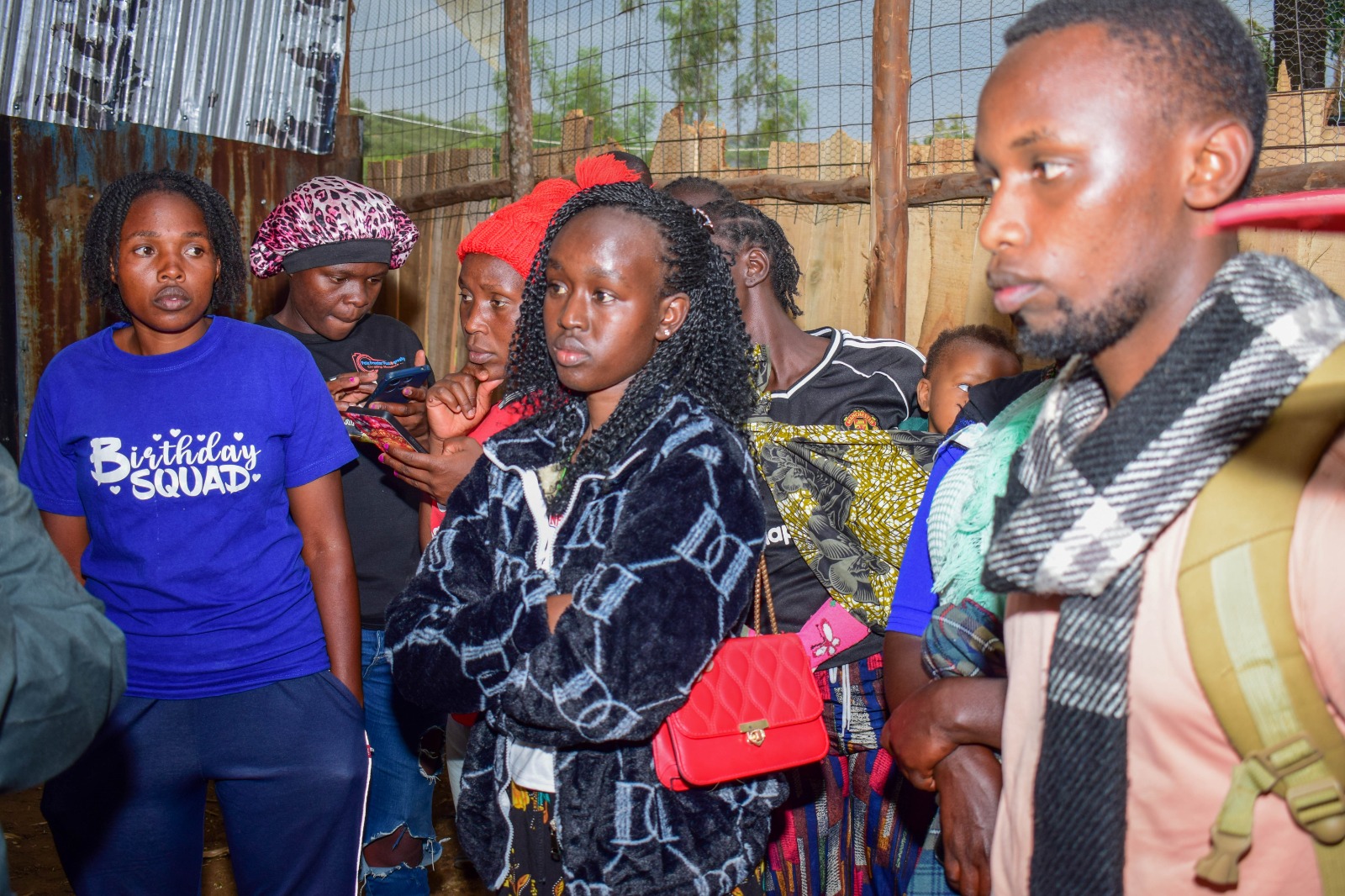
The Youth Voice Project represents Jamii Ajibika's commitment to ensuring that young people have both a voice in community affairs and practical pathways towards economic dignity.
The project emerged following Jamii Ajibika's engagement and capacity strengthening through the CASCADE journey and focuses on youth leadership, civic education, economic empowerment, poultry enterprise, nutrition-sensitive livelihoods and youth-led agribusiness.
The project particularly prioritizes vulnerable young women and young mothers.
leadership development; mentorship; teamwork; responsibility; volunteerism; and community service.
understanding governance; public participation; citizen responsibility; social accountability; budget participation; advocacy; and engagement with decision-makers.
poultry enterprise; feed innovation; hatchery systems; value addition; marketing; financial literacy; enterprise planning; and savings and reinvestment.
Orientation → Leadership → Skills → Practical Demonstration → Enterprise Incubation → Market Development → Growth
The project is helping create youth-led poultry enterprises; practical enterprise skills; stronger youth leadership; improved financial literacy; collective economic systems; poultry value-chain knowledge; value addition opportunities; market-oriented thinking; community learning; and pathways towards dignified livelihoods.
The training curriculum covers enterprise mindset, leadership, financial literacy, climate-smart poultry management, hatchery systems, feed formulation, azolla production, value addition, marketing, business planning, record keeping and enterprise incubation.
CASCADE has strengthened Jamii Ajibika's capacity to work at the intersection of nutrition, community engagement, youth participation and policy advocacy.
Through the CASCADE journey, Jamii Ajibika has engaged communities around maternal nutrition, child feeding, dietary diversity, household food security, nutrition rights, community nutrition dialogue and participation in nutrition and food-security policy processes.
Engaging pregnant women; lactating mothers; caregivers; teenage mothers; youth groups; and community members.
Promoting conversations around maternal nutrition; child feeding; dietary diversity; household food security; and nutrition rights.
Supporting nutrition policy engagement; nutrition memoranda; community advocacy; county budget public participation; youth mobilization; and citizen engagement.
CASCADE documentation records increased nutrition awareness, stronger community engagement and greater participation in policy processes.
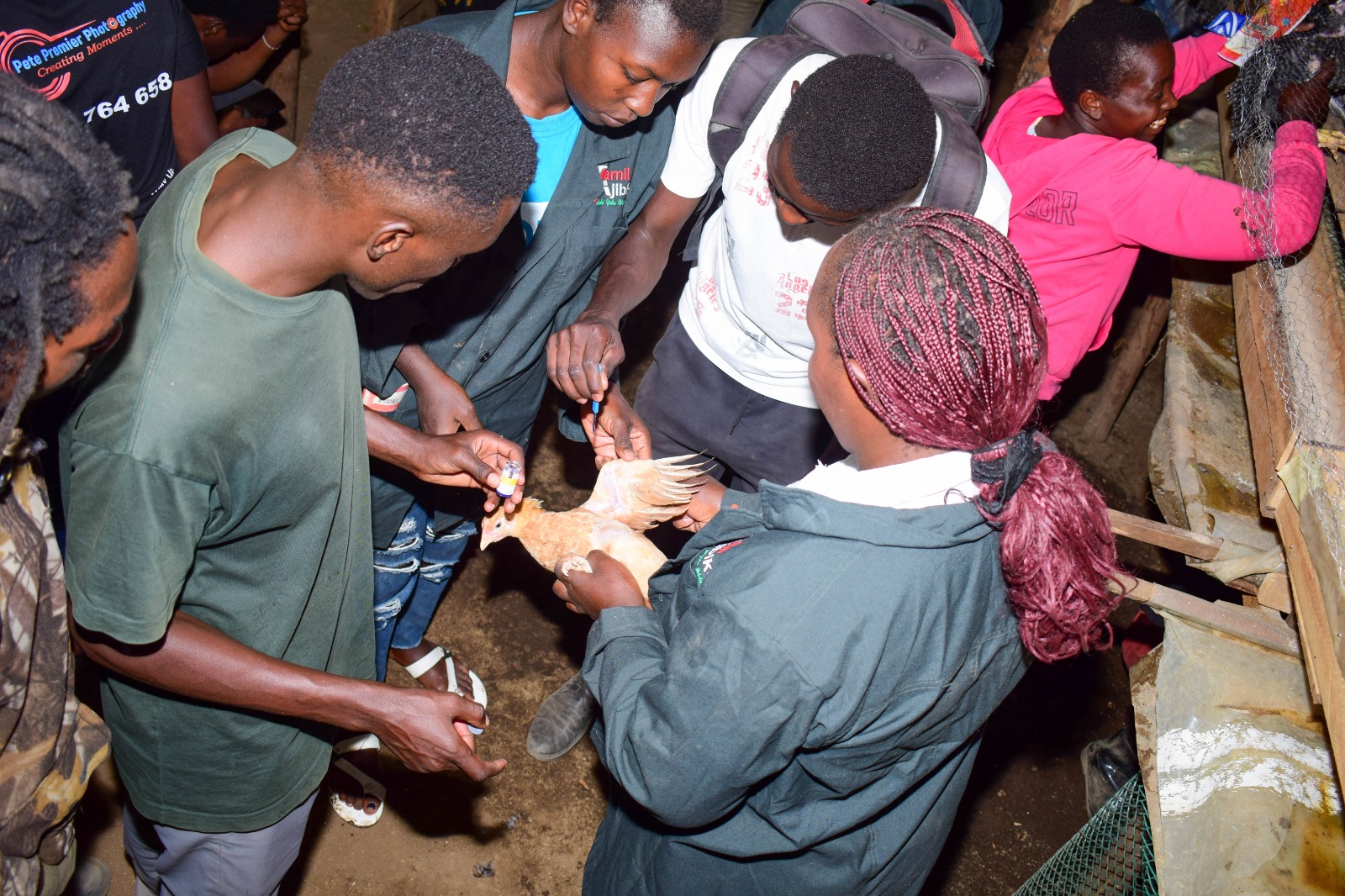
The Diet Bora Youth & Community Smart Agriculture Innovation & Learning Hub is designed to become a living classroom where young people and communities can learn by seeing, doing, testing and improving.
It brings the Diet Bora philosophy to life.
Instead of simply telling a participant: "This is how poultry farming works." We show them.
Instead of only discussing feed costs: We experiment with alternative feed resources and feed-production approaches.
Instead of only talking about climate-smart agriculture: We demonstrate it.
poultry production; brooding; chick management; layers and meat production; hatchery systems; poultry management; feed systems; waste management; value addition; marketing; and enterprise development.
Exploring cricket production as an alternative protein and feed innovation opportunity.
Demonstrating azolla production and its potential contribution to sustainable feed systems.
Exploring locally available resources and practical approaches to reduce feed costs and improve enterprise viability.
The Programs Framework specifically identifies poultry, cricket and azolla as key components of the Diet Bora climate-smart agribusiness model.
Where people can see practical solutions.
Where participants gain practical skills.
Where ideas can be tested and improved.
Where emerging entrepreneurs receive guidance.
Where communities learn from one another.
Where practical knowledge and tools can be shared.
Where successful models can be transferred to households and other communities.
This model is consistent with the organization's framework, which defines the Demo Hub as a practical learning, demonstration, incubation and peer-learning centre.
This is central to Jamii Ajibika's practical approach.
We want a young person who visits the Hub not merely to leave with information, but to leave asking:
The Diet Bora Community Enterprise is the sustainability and economic empowerment dimension of the Diet Bora Program.
Our objective is to progressively create a system where community members are not only beneficiaries of training, but become producers, entrepreneurs, suppliers, service providers and investors in local food and agricultural value chains.
A common challenge in development programming is what happens after a project ends.
Training can end. Funding can end. A donor project can close. But the community's needs remain.
Jamii Ajibika therefore seeks to build enterprise systems that can progressively generate value and income while continuing to serve community needs.
The organization's constitutional framework recognizes income from CBO-led smart enterprise initiatives alongside grants, contributions and other lawful sources.
Support community members to enter practical agricultural and nutrition-sensitive enterprises.
Help individuals understand production; costing; pricing; marketing; record keeping; savings; reinvestment; and business growth.
Support youth and community groups to develop collective enterprises.
Connect production to: Inputs → Production → Processing → Value Addition → Marketing → Consumers.
Where appropriate, enterprises should be able to: Earn → Save → Reinvest → Grow → Create More Opportunities.
A stronger enterprise base can contribute to the long-term sustainability of community initiatives and reduce overdependence on project-based funding.
We do not want to create permanent beneficiaries. We want to build capable participants, producers and community entrepreneurs.
The ultimate objective is not simply: "How many people did we train?"
It is: "How many people were able to use what they learned to improve their livelihoods, contribute to their households and create opportunities for others?"
They include:
CASCADE-supported work has included:
Community Nutrition Dialogues; Nutrition Education; Policy Advocacy.
Promoting conversations around: maternal nutrition; child feeding; dietary diversity; household food security; and nutrition rights.
Support community members to enter practical agricultural and nutrition-sensitive enterprises.
Help individuals understand: production; costing; pricing; marketing; record keeping; savings; reinvestment; and business growth.
Support youth and community groups to develop collective enterprises.
Connect production to: Inputs → Production → Processing → Value Addition → Marketing → Consumers
Enterprise income should not simply be consumed.
Where appropriate, enterprises should be able to: Earn → Save → Reinvest → Grow → Create More Opportunities
A stronger enterprise base can contribute to the long-term sustainability of community initiatives and reduce overdependence on project-based funding.
Many young people are excluded twice:
For vulnerable young mothers, these challenges are compounded by limited resources, childcare responsibilities and restricted access to enterprise opportunities.
leadership development; mentorship; teamwork; responsibility; volunteerism; and community service.
understanding governance; public participation; citizen responsibility; social accountability; budget participation; advocacy; and engagement with decision-makers.
poultry enterprise; feed innovation; hatchery systems; value addition; marketing; financial literacy; enterprise planning; and savings and reinvestment.
Participants progress from:
The training model intentionally links:
The project is helping create:
The current project model targets 30 direct beneficiaries, approximately 85% young women and at-risk young mothers, with more than 300 indirect beneficiaries through mentorship, demonstrations and community outreach.